
Key takeaways
- Dry the shower after use: ventilation and a squeegee prevent most buildup.
- Use cleaners made for your material and avoid harsh acids on stone and some grouts.
- Replace caulk when it cracks or darkens instead of covering it.
- Seal grout and stone on a schedule suited to the material.
Daily and weekly habits
Run the fan during and after a shower, and leave the door or curtain open so air can move. Squeegee glass and walls if you can. Rinse soap and shampoo from surfaces and clear hair from the drain.
A weekly wipe with a mild cleaner prevents film and keeps surfaces fresh.
Cleaning by material
Porcelain and ceramic tile handle most cleaners. Natural stone needs pH-neutral cleaners, because acids can etch it. Glass cleans well with mild detergent and a soft cloth. Solid surface and acrylic should be wiped with non-abrasive cleaners.
Test any new product on a small spot first and always rinse well.
Caulk and grout
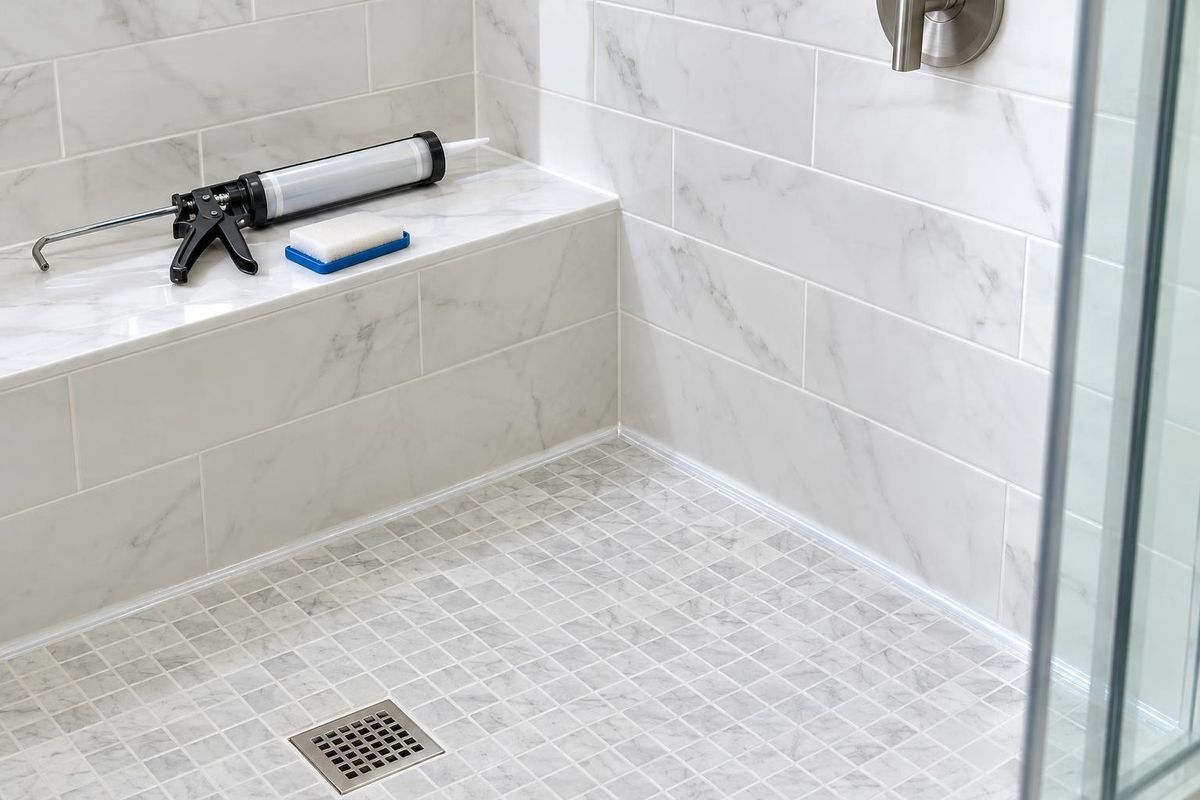
Caulk at corners and edges flexes as the house moves and eventually fails. When it cracks, peels or grows dark spots, remove it and apply new flexible caulk. Grout that crumbles or cracks should be repaired.
Sealing cement grout and natural stone helps resist stains and moisture.
Yearly check-up
Once a year, check the door hardware, seals, caulk, grout, drain and fixtures. Look for any soft spots or stains on walls and ceilings nearby. Small repairs now help avoid bigger ones later.
A maintenance visit can handle sealing, caulking and glass coatings in one trip.
Official sites to explore
Brand names and logos belong to their owners. These links open the official websites in a new tab, and we are not affiliated with them.
- U.S. EPA: MoldGuidance on mold and moisture in homes.
- Natural Stone InstituteInformation on natural stone care and maintenance.
- Tile Council of North AmericaIndustry resources on tile and grout.
- National Glass AssociationIndustry association for the glass and glazing industry.
- U.S. EPA WaterSenseWater-efficiency information for fixtures and homes.
Quick answers
How often should I seal grout?
It depends on the grout and use, but many showers benefit from sealing every year or two.
Why does my caulk turn black?
Mildew grows on caulk that stays damp. Replacing it and improving ventilation helps.
Can I use vinegar on my shower?
It can etch natural stone and damage some grout, so use pH-neutral cleaners on stone.